


 Top Rated Course

We may not have the course you’re looking for. If you enquire or give us a call on + 1-866 272 8822 and speak to our training experts, we may still be able to help with your training requirements.
Colour Psychology: An Introduction for Students, Creators, and Marketers
Michael Jones 10 January 2026Colour Psychology examines how colours influence moods and behaviour, with red indicating passion, blue indicating calm, and yellow indicating happiness. This field combines substantial elements of Art, Science and Psychology, and is applied in areas such as marketing and branding, interior design, and art therapy.
Home
 Resources
Health & Safety
Colour Psychology: An Introduction for Students, Creators, and Marketers
Resources
Health & Safety
Colour Psychology: An Introduction for Students, Creators, and Marketers
Resources
Health & Safety
Colour Psychology: An Introduction for Students, Creators, and Marketers

Training Outcomes Within Your Budget!
We ensure quality, budget-alignment, and timely delivery by our expert instructors.
Table of Contents
Did you know colours can speak louder than words? It's true. They can whisper emotions, spark ideas and shape decisions before you even read a single word. From the fiery passion of red to the calming touch of blue, Colour Psychology is the secret language that brands and creators use to connect with hearts and minds.
Be it a student exploring design, a content creator crafting visuals or a marketer building campaigns, understanding the vibrant field of Colour Psychology can transform any work into unforgettable experiences. This blog is here to help you out. So read on and elevate your grasp on visual connections!
Table of Contents
1) What is Colour Psychology?
2) Psychological Effects of Different Colours
3) The Science Behind Colour Psychology
4) Colour Psychology in Marketing and Advertising
5) Learning and Productivity With Colour Psychology
6) Conclusion
What is Colour Psychology?
Colour Psychology explores how colours, tones, and hues influence mood, behaviour, and emotional responses. Different colours can trigger specific feelings. For instance, blue is associated with calmness, while yellow can trigger anxiety in some individuals. Although research in this area remains limited, Colour Psychology plays a vital role in fields such as marketing, advertising and design.
Psychological Effects of Different Colours
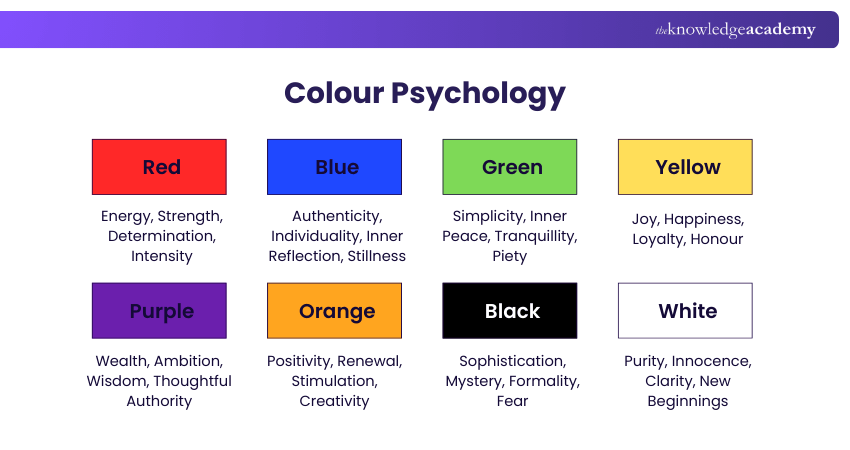
Colours hold remarkable power to evoke emotions and shape perceptions. The psychological effects of different colours are deeply ingrained in our subconscious and have been extensively studied in Colour Psychology. Here we explore these effects in detail:
1) Red
From its place in the rainbow to its omnipresent use in Valentine’s Day, red stands out as one of the most powerful colours. Red exists independently and cannot be created by mixing other colours. In the RGB model, it consists of 100% red, with no green or blue components.
1) Red is commonly linked with energy, strength, power, determination and intensity.
2) It's also associated with passion, desire and love.
3) It is known to stimulate metabolism and increase breathing rates.
4) More than any other colour, red captures attention and can also serve as a warning or signal of danger.
Popular shades of red: Magenta, Burgundy, Maroon.
2) Blue
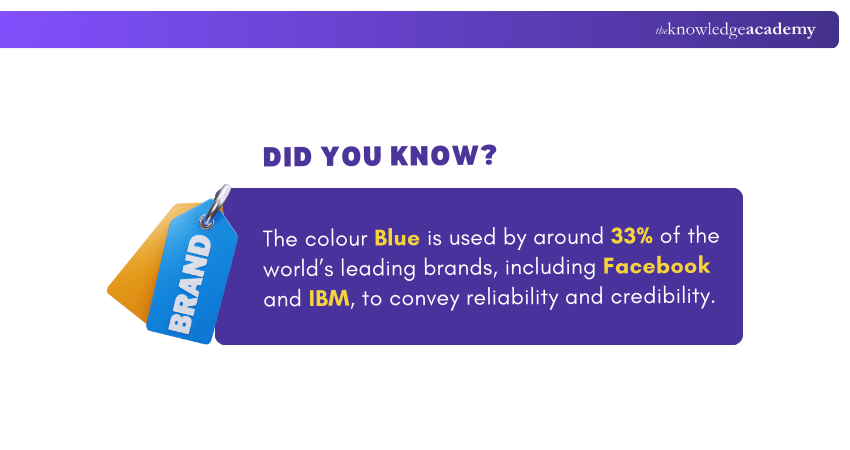
In contrast to its fellow primary colour, red, blue is linked with calmness and serenity. When people imagine a peaceful setting, they often picture shades of blue which is commonly represented by still water or open skies. Blue conveys stillness and inner reflection. Research suggests that its effects on the body are the opposite of red, helping to lower heart rate and slow metabolic activity.
1) Blue is often associated with authenticity and individuality.
2) It reflects a desire for meaning and a strong sense of purpose.
3) This colour is also connected with warmth, communication, compassion, idealism, sincerity and spiritual depth.
4) Blue symbolises imagination, romance and a nurturing nature.
Popular shades of blue: Teal, Turquoise
3) Green
Green is a primary colour closely linked to our earliest connection with the natural world. This makes it so vital in Colour Psychology. Often seen as a symbol of purity and health, green is widely used by brands that promote growth and vitality. Its presence reflects the life-giving qualities of the environment. This explains why people seek green spaces to escape busy urban life and restore inner calm.
1) Green symbolises a return to simplicity, inner peace and tranquillity.
2) It is associated with growth, harmony, fertility and freshness
3) It's associated with benefits to both mind and body by slowing metabolism and creating a soothing effect.
4) Traditionally, green also represents sincerity and piety, reinforcing its strong link to calmness and balance.
Popular shades of green: Chartreuse.
4) Yellow
As the brightest colour in the spectrum, yellow is frequently used to represent fresh ideas and new beginnings. From innovative concepts to start-up imagery, yellow symbolises mental stimulation. Scientific studies suggest that yellow boosts mental activity and raises energy levels. Yellow reflects the freshness of morning and is linked to increased activity in the left side of the brain.
1) Yellow is associated with joy, happiness, intellect and energy.
2) It creates a warming effect and supports mental and physical activity. Bright yellow easily captures attention, which explains its use in warning signs and taxi cabs.
3) However, excessive use can feel overwhelming and studies suggest it may cause discomfort in some environments, such as increasing restlessness in infants.
4) Traditionally, yellow has symbolised honour and loyalty, though it has also been linked with cowardice.
Popular shades of yellow: Amber, Beige
5) Purple
Purple is a secondary colour formed by blending red and blue, positioned between them on the colour wheel. By adjusting the balance of these two colours, a wide range of purple shades can be created. Drawing from red, purple is linked with power and luxury, while its blue tones introduce calmness and balance.
1) Unlike red, which reflects material strength and intensity, purple is traditionally associated with nobility and elevated status.
2) This combination creates a sense of wisdom, depth, and thoughtful authority.
3) Purple symbolises wealth and ambition, while also representing dignity, independence, creativity, mystery and imagination.
4) It blends the energy of red with the stability of blue, resulting in a colour strongly connected to insight and a sense of the extraordinary.
Popular shades of purple: Indigo, Violet, Lavender, Mauve.
6) Orange
Vibrant and engaging, orange is created by blending red and yellow. Yellow contributes optimism and cheerfulness, while red adds energy and intensity. Positioned between these two influences, orange symbolises warmth, positivity and renewal. It encourages open communication and supports a more confident, expressive outlook.
1) Orange is known for promoting sociability and reducing inhibitions.
2) It helps people express ideas and emotions more freely.
3) It combines the energy of red with the happiness of yellow and is strongly associated with joy and tropical environments.
4) The colour represents enthusiasm, creativity, determination, attraction, encouragement and stimulation.
5) This makes it a powerful symbol of motivation and success.
Popular shades of orange: Coral, Amber, Tangerine
7) Black
Black is one of the most complex colours in the spectrum. Its meanings can vary widely depending on context, making it truly fascinating in the context of Colour Psychology. Black can represent elegance and sophistication, mystery and intrigue, or, in some cases, heaviness and sadness. Its versatility has led to a wide range of symbolic associations throughout history.
1) Black is commonly linked with power, authority and formality.
2) It's often used to convey prestige and elegance.
3) At the same time, it is associated with mystery, fear and the unknown, as well as darker concepts such as death and evil.
4) In language and symbolism, black frequently carries negative connotations, seen in terms like “blacklist” or “black humour.”
5) It is also widely recognised as a symbol of grief and mourning.
Popular shades of black: Jet, Charcoal, Onyx
8) White
At the opposite end of the colour spectrum lies white, a colour widely associated with purity and innocence. Unlike darker shades that suggest mystery, white symbolises clarity and new beginnings. It evokes a sense of openness, much like a blank canvas that invites fresh ideas and limitless possibilities.
1) White encourages reflection, mental clarity and simplicity.
2) It's closely linked with cleanliness, order and organisation.
3) This explains its common use in medical settings and bridal attire, where it conveys trust, comfort, hope and purity.
4) Generally viewed in a positive light, white represents safety and faith, reinforcing its connection to goodness and serenity.
Popular shades of white: Ivory, Snow, Pearl
Healthy minds lead to healthy, productive workplaces. Learn how to ensure it with our comprehensive Mental health Courses – Sign up now!
The Science Behind Colour Psychology
Colour perception is a complex interplay of biology, Psychology, and physics. Our understanding of Colour Psychology is rooted in the intricate workings of the human brain and its interaction with light.
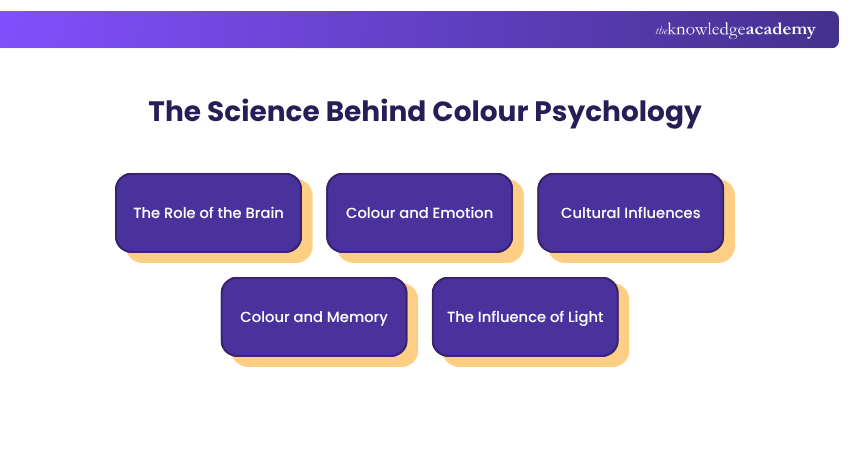
1) The Role of the Brain
Your eyes detect light and send it in the form of electrical signals to the brain via the optic nerve. It then decodes these signals, allowing you to perceive and identify different colours. The primary visual cortex, found in the occipital lobe, processes the raw data from the eyes. However, colour perception goes beyond basic sensory input.
The brain's emotional and cognitive centres, including the amygdala and prefrontal cortex, play a vital role in processing colour-related stimuli. This integration between sensory and emotional processing is what gives colours their psychological significance. For instance, a red stop sign triggers an immediate sense of danger due to the brain's association of red with urgency.
2) Colour and Emotion
The connection between colour and emotion is deeply ingrained in our evolutionary history. Exploring the History of Psychology helps us understand how differentcolours influence human emotions and behaviours. Specific colours have been associated with survival instincts. For example, our ancestors learned to associate bright, vibrant colours with ripe fruits and lush vegetation, which indicates safety and sustenance.
This emotional link between colour and survival mechanisms has persisted, influencing our emotional responses to this day. Warm colours, including red and orange, often evoke warmth, energy, and caution. Cool colours, including blue and green, are associated with serenity and stability. For example, you can learn How to Combine Colours in Interior Design effectively by leveraging these emotional responses to create spaces that evoke the desired mood or energy.
3) Cultural Influences
While there are universal emotional responses to colours, cultural factors significantly shape our colour preferences and interpretations. Different cultures assign varying meanings to colours based on historical, religious, and societal contexts. For example, white is often associated with purity and weddings in Western cultures, but it signifies mourning in some Eastern cultures.
These cultural variations can lead to misunderstandings or misinterpretations, particularly in a globalised world where diverse cultures interact. Businesses and marketers must be sensitive to these cultural nuances when using colours to convey messages or promote products.
Organisational success starts with a proper understanding of human behaviour. Sign up for our Psychology of Behaviour at Work Training now!
4) Colour and Memory
Colours also have a remarkable ability to enhance memory and aid learning. Research suggests that information presented in colour is more likely to be remembered than in black and white. This phenomenon, known as the "von Restorff effect," highlights the impact of novelty on memory retention. When a specific element, such as text, is presented in a different colour from its surroundings, it stands out and is more likely to be remembered.
Educators and instructional designers have capitalised on this effect using colour-coded materials to aid learning and information retention. Similarly, businesses use colours strategically to make their branding and advertisements more memorable and recognisable.
5) The Influence of Light
Light plays a significant role in how you perceive colour. Different lighting conditions can alter our perception of colours, sometimes dramatically. The colour temperature of light sources, such as natural sunlight or artificial lighting, can shift how colours appear. This phenomenon has implications for industries such as interior design, where selecting appropriate lighting is crucial to maintaining the intended mood and ambience.
In recent years, digital devices and screens have introduced new challenges. The varying colour profiles of screens and devices can affect how you perceive colours. This can lead to discrepancies between what is seen on a screen and what is printed on paper.
Understand the beneficial effects of having positive emotions upon daily living with our Positive Psychology Course - Join us now!
Colour Psychology in Marketing and Advertising
By understanding how different colours evoke specific emotions and reactions, brands can craft more effective marketing strategies. Here are some key aspects to consider:
1) Colours as Emotional Triggers: Colours are among the first elements consumers notice. This makes colour selection integral to logo design, packaging and overall visual identity. This helps convey the brand’s personality, values, and market positioning.
2) Cultural Significance of Colours: Marketing campaigns often span cultural boundaries, making it crucial to understand cultural variations in the meanings behind colours. For example, red signifies luck in Chinese culture but can symbolise danger in Western cultures. Brands must tailor their colour choices to resonate positively in different cultural contexts.
3) Consistency for Brand Recognition: Consistency in branding is the key to creating recognition and loyalty. A consistent colour palette helps consumers associate specific colours with a brand, making it instantly recognisable, like McDonald’s red and yellow scheme.
4) Colours Driving Consumer Actions: Colours are strategically used to guide consumer actions. Calls-to-action (CTAs) in ads and websites often use contrasting colours to draw attention and encourage clicks or conversions, such as “Buy Now” buttons.
5) Differentiation Through Colour: Distinct colour choices can set a brand apart in competitive markets. Iconic colours like Coca-Cola’s red or Tiffany & Co.'s blue make these brands instantly recognisable.
6) Seasonal and Event-based Colour Adaptation: Colours can be leveraged for seasonal campaigns and cultural events. Brands often adopt colours like red and green for Christmas or modify schemes for cultural celebrations to resonate with their audience.
7) Colour Psychology in the Digital Age: In the digital age, Colour Psychology extends to both online and offline spaces. Brands must ensure consistent colours across websites, Social Media, physical stores and packaging to reinforce brand identity and provide a seamless customer experience.
Join our Mindfulness Training and learn techniques to reduce stress and enhance well-being - start your journey to a calmer and more focused you today!
Learning and Productivity With Colour Psychology
By exploring the psychological effects of colours, you can create environments that enhance learning and productivity. Here are some insights into how Colour Psychology can be applied to boost learning and productivity:
1) Stimulating Creativity and Engagement: Colours stimulate creativity and engagement in learning environments. Vibrant colours enhance attention and motivation, with warm colours like orange and red sparking enthusiasm and creativity.
2) Organising Information: Colour coding helps organise information, aiding retention and understanding. It allows individuals to quickly identify relationships between ideas, improving comprehension and memory recall.
3) Improving Focus and Concentration: Specific colours, such as blue, improve focus and concentration by having a calming effect. Incorporating blue into study spaces can create a conducive environment for concentration.
4) Impacting Mood and Emotional Well-being: Colours impact mood and emotional well-being, influencing cognitive performance. Positive colours like green and yellow create a motivating and engaging learning atmosphere.
5) Catering to Diverse Learning Styles: Colour caters to diverse learning styles, especially visual learners. Colourful visuals simplify complex concepts, making them more accessible, while auditory learners benefit from colour-coded organisation and memory reinforcement.
Conclusion
Colour Psychology offers valuable insights into how colours influence emotions, decisions, and behaviour. By understanding these effects, students, creators, and marketers can make more informed design choices. Applying this knowledge can lead to more engaging and impactful communication. It's a fascinating blend of Science and creativity.
Enhance your cognitive abilities by signing for our Mental Capacity Training – Book your spot now!
Frequently Asked Questions
What is the Most Powerful Colour in Psychology?

Red is considered the most powerful colour in Psychology. It evokes strong emotions, stimulates energy, and can increase heart rate, making it a dominant colour in both positive and negative contexts.
What Colour Releases Dopamine?
Yellow is known to release dopamine, the feel-good hormone. It is associated with positivity, happiness and energy, often used to boost mood and motivation.
What are the Other Resources and Offers Provided by The Knowledge Academy?
The Knowledge Academy takes global learning to new heights, offering over 3,000 online courses across 490+ locations in 190+ countries. This expansive reach ensures accessibility and convenience for learners worldwide.
Alongside our diverse Online Course Catalogue, encompassing 19 major categories, we go the extra mile by providing a plethora of free educational Online Resources like Blogs, eBooks, Interview Questions and Videos. Tailoring learning experiences further, professionals can unlock greater value through a wide range of special discounts, seasonal deals, and Exclusive Offers.
What is The Knowledge Pass, and How Does it Work?
The Knowledge Academy’s Knowledge Pass, a prepaid voucher, adds another layer of flexibility, allowing course bookings over a 12-month period. Join us on a journey where education knows no bounds.
What are the Related Courses and Blogs Provided by The Knowledge Academy?
The Knowledge Academy offers various Mental Health Courses, including the Positive Psychology Course, Psychology Course, and Anxiety Course. These courses cater to different skill levels, providing comprehensive insights into Evolutionary Psychology.
Our Health & Safety Blogs cover a range of topics related to Colour Psychology, offering valuable resources, best practices, and industry insights. Whether you are a beginner or looking to advance your knowledge on Psychology, The Knowledge Academy's diverse courses and informative blogs have got you covered.

Michael Jones


Health and Safety Consultant and Compliance Trainer
Michael Jones is a seasoned health and safety expert with more than 15 years of experience in workplace safety, risk management, and compliance training. He has worked across construction, manufacturing, and corporate sectors, helping organisations meet legal requirements and create safer working environments. Michael’s training and writing are known for being practical, clear, and aligned with UK regulations.

Upcoming Health & Safety Resources Batches & Dates
Date
 Psychology Course
Psychology Course
Fri 3rd Apr 2026
Psychology Course
Fri 22nd May 2026
Psychology Course
Fri 24th Jul 2026
Psychology Course
Fri 27th Nov 2026

 If you wish to make any changes to your course, please


